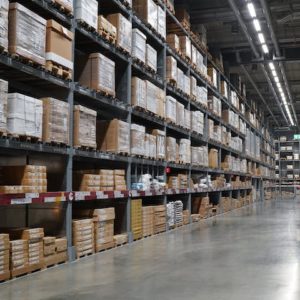
A merger or acquisition can create new opportunities for growth, market expansion and operational efficiency. It can also leave the combined business with warehouses full of duplicated, incompatible or unnecessary inventory.
Both companies may carry similar products, replacement parts, packaging supplies or promotional merchandise. Some stock may no longer fit the combined company’s product strategy, branding or distribution network. Other items may be tied to discontinued locations, former customers or overlapping supplier agreements.
If this inventory is not addressed during the integration process, it can continue consuming warehouse space and working capital long after the transaction closes.
A structured merger inventory liquidation plan helps the combined business identify what should be retained, transferred, sold, returned, donated or responsibly disposed of. When the inventory consists of large quantities, selling it to experienced excess closeout buyers may provide a faster and more manageable exit.
This guide explains how to evaluate and liquidate duplicate inventory following a merger, acquisition or corporate consolidation.
Why Mergers and Acquisitions Create Excess Inventory
A merger combines businesses that were previously purchasing, storing and selling inventory independently. Even when the companies operate in the same industry, their product catalogues and inventory systems may be significantly different.
Common causes of post-acquisition surplus include:
- Both companies stock the same or similar SKUs.
- The combined business needs fewer safety-stock units.
- Product lines are consolidated.
- One company’s branding is retired.
- Warehouses or retail locations are closed.
- Supplier agreements are renegotiated.
- Duplicate spare parts are no longer required.
- Customer contracts are discontinued.
- Older products are replaced by the acquiring company’s preferred range.
- Packaging and labels need to be updated.
- Distribution territories change.
- Software systems reveal stock that was previously poorly tracked.
- Forecasts are adjusted for the combined sales network.
- Private-label products no longer fit the new strategy.
The inventory may still be new, functional and commercially valuable. The problem is that it no longer has a clear role within the combined organisation.
Make Inventory Review Part of the Integration Plan
Inventory should be reviewed early in the merger integration process rather than treated as a warehouse problem to solve later.
Delaying the review can create several risks:
- Duplicate purchasing continues.
- Warehouses remain over capacity.
- Employees cannot distinguish active from obsolete stock.
- Products lose value while decisions are delayed.
- Old branding remains in circulation.
- Insurance and storage costs continue.
- Different inventory systems produce conflicting quantities.
- Capital remains trapped in products the company no longer intends to sell.
- Warehouse closures or lease deadlines become more difficult to manage.
Assign responsibility for the inventory review to a cross-functional team that may include representatives from:
- Finance
- Operations
- Supply chain
- Purchasing
- Sales
- Marketing
- Legal or compliance
- Information technology
- Warehouse management
- Ecommerce
- Brand management
Each department sees a different part of the inventory risk. Warehouse teams understand space and condition, while sales teams understand demand. Finance can evaluate carrying costs, and legal teams can review contractual or resale restrictions.
Create a Unified Inventory Record
The first operational challenge is combining inventory data from both businesses.
The companies may use different:
- SKU structures
- Product names
- Barcodes
- Warehouse systems
- Units of measure
- Condition codes
- Accounting methods
- Location names
- Product categories
One company may record a product by individual unit while another records it by case. A product may also appear under two different SKU numbers even though it is identical.
Create a consolidated inventory file containing:
- Product name
- Original company
- SKU
- UPC, EAN or GTIN
- Brand
- Product category
- Quantity
- Units per case
- Carton count
- Pallet count
- Product condition
- Packaging condition
- Original cost
- Current selling price
- Warehouse location
- Last sale date
- Average monthly sales
- Expiration date
- Brand or resale restrictions
- Recommended disposition
A unified record allows the business to find duplicate products and calculate the total quantity held across every location.
Verify Inventory Through Physical Counts
System records alone may not accurately represent the inventory available after an acquisition.
Differences can result from:
- Unrecorded transfers
- Damaged merchandise
- Customer returns
- Incorrect case quantities
- Inventory shrinkage
- Receiving errors
- Products stored under the wrong SKU
- Samples and promotional units
- Pending orders
- Stock held by a 3PL
- Goods in transit
Conduct physical counts at each facility and reconcile the results with the combined inventory record.
Photograph significant quantities, damaged packaging, older labels and products stored outside normal warehouse areas. The physical review may reveal valuable inventory that was missing from the acquisition records, as well as products that cannot be sold in their current condition.
Classify the Combined Inventory
Once quantities are verified, divide the stock into clear action groups.
1. Core Inventory to Retain
These products support the combined company’s current sales strategy and have sufficient customer demand.
Consider:
- Current sales velocity
- Confirmed customer orders
- Supplier lead time
- Product profitability
- Safety-stock requirements
- Seasonal demand
- Strategic importance
2. Inventory to Transfer
Some products may perform better at another warehouse, store or distribution centre.
Before transferring stock, calculate freight, receiving labour and expected demand. Moving inventory to another building should create a commercial benefit rather than postpone the liquidation decision.
3. Inventory to Return to Suppliers
Review supplier agreements for return rights, buyback provisions or product exchanges.
Account for:
- Return windows
- Restocking fees
- Freight costs
- Packaging requirements
- Credit limitations
- Supplier approval
- Custom or private-label restrictions
4. Inventory to Rebrand or Repackage
Products may remain saleable if old labels or packaging can be replaced legally and economically.
Calculate the complete cost of:
- New packaging
- Labels
- Labour
- Quality checks
- Regulatory review
- Transportation
- Relaunch marketing
Repackaging should not cost more than the realistic value it can recover.
5. Duplicate Inventory to Liquidate
This category includes commercially usable products that the combined business does not need.
Examples include:
- Excess quantities of overlapping SKUs
- Discontinued product lines
- Products bearing retired branding
- Surplus spare parts
- Former customer-specific goods
- Unnecessary packaging supplies
- Inventory from closed locations
- Slow-moving merchandise
- Seasonal products
- Cancelled wholesale orders
- Excess marketplace inventory
6. Inventory to Donate, Recycle or Dispose Of
Expired, recalled, unsafe or unusable products may not be suitable for resale. Follow all applicable product, environmental and local disposal requirements.
Calculate the True Quantity of Duplicate Stock
The entire combined quantity should not automatically be classified as excess.
Calculate how much inventory the new organisation genuinely needs.
Consider:
- Combined monthly sales
- Seasonal patterns
- Supplier lead times
- Safety-stock requirements
- Confirmed contracts
- Planned product changes
- Warehouse capacity
- Expected customer attrition
- New distribution opportunities
- Product shelf life
For example, Company A may hold 8,000 units and Company B may hold 6,000 units of the same product. The combined total is 14,000 units.
If the merged company expects to sell 1,000 units per month and wants six months of inventory, it may need only 6,000 units. The remaining 8,000 units could be considered excess unless there is a credible reason to retain them.
This approach protects supply continuity while preventing the company from storing years of unnecessary stock.
Evaluate the Financial Cost of Keeping the Inventory
The original cost of the merchandise should not be the only factor in the decision.
Calculate the continuing costs associated with holding it:
- Warehouse rent
- 3PL storage fees
- Insurance
- Security
- Utilities
- Inventory counting
- Handling labour
- Internal transfers
- Packaging deterioration
- Shrinkage
- Interest or financing
- Marketplace storage fees
- Product depreciation
- Opportunity cost
Also consider the value of the space. Pallet positions occupied by duplicate merchandise cannot be used for products that support the merged company’s current strategy.
A product may still be saleable, but holding it for several years may create a weaker financial result than selling it in bulk and reinvesting the recovered cash.
Establish a Liquidation Timeline
Integration projects already contain numerous deadlines. The inventory plan should have its own defined schedule.
A practical process may include:
First 30 Days: Discovery
- Collect inventory records from both businesses.
- Identify every warehouse and 3PL location.
- Standardise SKU information.
- Begin physical counts.
- Pause unnecessary duplicate purchases.
Days 31–60: Classification
- Identify overlapping products.
- Calculate combined demand.
- Review contracts and restrictions.
- Classify stock by recommended action.
- Confirm products that must be retained.
Days 61–90: Disposition
- Complete internal transfers.
- Request supplier returns.
- Begin approved repackaging.
- Prepare surplus inventory for buyer review.
- Compare bulk liquidation options.
- Schedule removal.
Fast action is especially important for seasonal, short-dated, technology-dependent or branded merchandise.
Protect Active Brands and Distribution Channels
Post-acquisition inventory may include products bearing both companies’ names, authorised-retailer labels or customer-specific packaging.
Before selling the stock, review:
- Trademark ownership
- Customer contracts
- Distribution agreements
- Marketplace policies
- Minimum advertised price policies
- Territorial restrictions
- Warranty responsibilities
- Product registration requirements
- Labelling rules
- Recall status
- Export restrictions
The company may need to limit where products can be resold or require the removal of specific labels. Any restriction should be disclosed to the buyer before an agreement is reached.
Brand protection should be practical and documented. A restriction that removes most viable resale channels may affect the offer because it increases the buyer’s risk and limits demand.
The website’s existing guide comparing direct inventory buyouts with traditional auctions provides additional information about price certainty, logistics and distribution control.
Prepare the Inventory for a Closeout Buyer
A buyer needs enough information to estimate resale potential, freight requirements and risk.
Prepare an inventory manifest containing:
- Product descriptions
- Brands
- SKUs
- UPCs or model numbers
- Quantity by SKU
- Units per case
- Carton count
- Pallet count
- Condition
- Packaging condition
- Original cost
- Wholesale price
- Suggested retail price
- Current selling price
- Expiration dates
- Warehouse locations
- Approximate weight
- Available photographs
- Distribution restrictions
Explain why the inventory is being sold. A clear explanation—such as duplicated inventory following an acquisition—helps the buyer understand that the products may be commercially usable even though they are no longer required by the seller.
Be transparent about:
- Old branding
- Damaged packaging
- Mixed production runs
- Missing components
- Short dates
- Customer-specific labels
- Marketplace restrictions
- Products stored at multiple locations
Accurate information reduces questions and makes it easier to review the opportunity.
Provide Representative Photographs
Send recent photographs of the actual merchandise.
Include:
- Individual products
- Front and back packaging
- UPCs and model numbers
- Case labels
- Open cartons
- Full pallets
- Expiration dates
- Damaged packaging
- Warehouse aisles
- Loading areas
If different conditions or packaging versions are present, photograph each group separately. Avoid using catalogue images as the only visual evidence.
Consolidate Inventory When It Makes Financial Sense
A merger may leave surplus products in multiple facilities.
Consolidation can simplify inspection and pickup, but it also creates transportation and handling expenses. Compare the cost of moving everything into one warehouse with the cost of arranging separate pickups.
Before transferring stock, confirm:
- Quantity at each location
- Freight distance
- Loading facilities
- Storage deadlines
- Labour requirements
- Product condition
- Pallet configuration
- Buyer preferences
In some situations, selling inventory from its existing locations is more efficient than moving it twice.
Compare Liquidation Options by Net Recovery
The highest advertised selling price does not always produce the strongest financial result.
Potential channels include:
- Existing customers
- Supplier returns
- Employee sales
- Public clearance sales
- Online marketplaces
- Traditional auctions
- Donations
- Direct bulk buyouts
Calculate the expected net recovery after deducting:
- Discounts
- Advertising
- Marketplace fees
- Auction commissions
- Payment fees
- Packaging
- Shipping
- Storage
- Labour
- Returns
- Customer service
- Disposal costs
- Management time
A direct bulk sale may provide a lower price per unit than selling products individually. However, it may clear a substantial quantity in one transaction and reduce months of additional operating costs.
Why Direct Bulk Liquidation Can Support Integration
Selling duplicate inventory in bulk may help the combined business:
- Release working capital
- Reduce warehouse congestion
- Eliminate duplicate SKUs
- Support facility consolidation
- Lower 3PL expenses
- Simplify inventory systems
- Remove old branding
- Focus employees on active merchandise
- Make space for the combined product range
- Complete the integration more efficiently
Instead of continuing to manage products that no longer fit the business, the company can redirect its people, cash and warehouse capacity toward its post-acquisition priorities.
Document the Final Disposition
Maintain clear records showing what happened to every inventory category.
Keep:
- Final inventory manifests
- Purchase agreements
- Supplier return records
- Transfer documents
- Bills of lading
- Payment records
- Donation receipts
- Recycling documents
- Destruction certificates
- Product photographs
- Approval records
This documentation supports internal accountability and helps finance, operations and integration teams reconcile the final inventory position.
The U.S. Small Business Administration’s guidance on buying an existing business or franchise discusses due diligence and the importance of reviewing business assets. Legal, tax and accounting treatment for acquisition inventory should always be confirmed with qualified advisers.
Common Post-Acquisition Inventory Mistakes
Continuing Duplicate Purchasing
Update purchase orders and reorder settings immediately. Otherwise, both companies may continue replenishing the same products during integration.
Using Only Accounting Value
Book value does not automatically represent the amount recoverable in the secondary market.
Waiting Until a Warehouse Must Close
Last-minute decisions reduce selling options and make transportation more difficult.
Moving Everything to Another Facility
Transferring surplus inventory can add costs without solving the underlying problem.
Ignoring Product Restrictions
Branded or customer-specific merchandise should not be sold before contractual and distribution requirements are reviewed.
Providing Incomplete Information
Missing quantities, conditions or locations can delay the buyer’s evaluation.
Treating Every Duplicate SKU the Same
Some products should be retained, while others require immediate action because of seasonality, shelf life or declining demand.
Frequently Asked Questions
Why does an acquisition create duplicate inventory?
Both companies may stock similar products, hold separate safety stock or operate overlapping warehouses. Product consolidation and revised demand forecasts can make part of the combined quantity unnecessary.
Can duplicate inventory be sold immediately after an acquisition?
Potentially, but ownership, contracts, brand restrictions and accounting requirements should be confirmed first. Obtain professional advice when needed.
What types of acquisition inventory can closeout buyers purchase?
Potential opportunities include new overstock, discontinued products, former customer inventory, seasonal goods, spare parts, packaging supplies and other commercially usable bulk merchandise.
Can inventory stored at multiple warehouses be sold together?
Yes, depending on the buyer and transaction. Clearly identify the quantity, condition and loading requirements at every location.
Is a detailed manifest required?
A detailed manifest is strongly recommended. It allows the buyer to evaluate the products, quantities, conditions, values and logistics more efficiently.
How quickly should duplicate inventory be reviewed?
Begin during the initial integration period. Seasonal, short-dated, branded or technology-dependent products should receive priority because their value may decline quickly.
How is duplicate inventory valued?
Buyers may consider product demand, condition, quantity, age, packaging, resale restrictions, freight, handling requirements and available sales channels.
Turn Acquisition Surplus Into Working Capital
A merger or acquisition should create a stronger organisation, but duplicate inventory can delay that progress when it remains unmanaged.
Begin with a consolidated inventory record and physical count. Identify overlapping products, calculate the quantity the combined business actually needs and assign a clear disposition method to the remainder.
Products that cannot be transferred, returned, repackaged or sold efficiently through normal channels may be suitable for a bulk sale.
Excess Closeout Buyers works with businesses seeking to sell surplus, overstock and closeout inventory in commercial quantities.
To request a review, submit your inventory with the product manifest, quantities, condition, warehouse locations, photographs and any applicable resale restrictions.
SUGGESTED FEATURED IMAGE ALT TEXT: Duplicate warehouse inventory being reviewed after a corporate merger