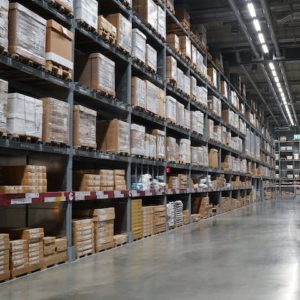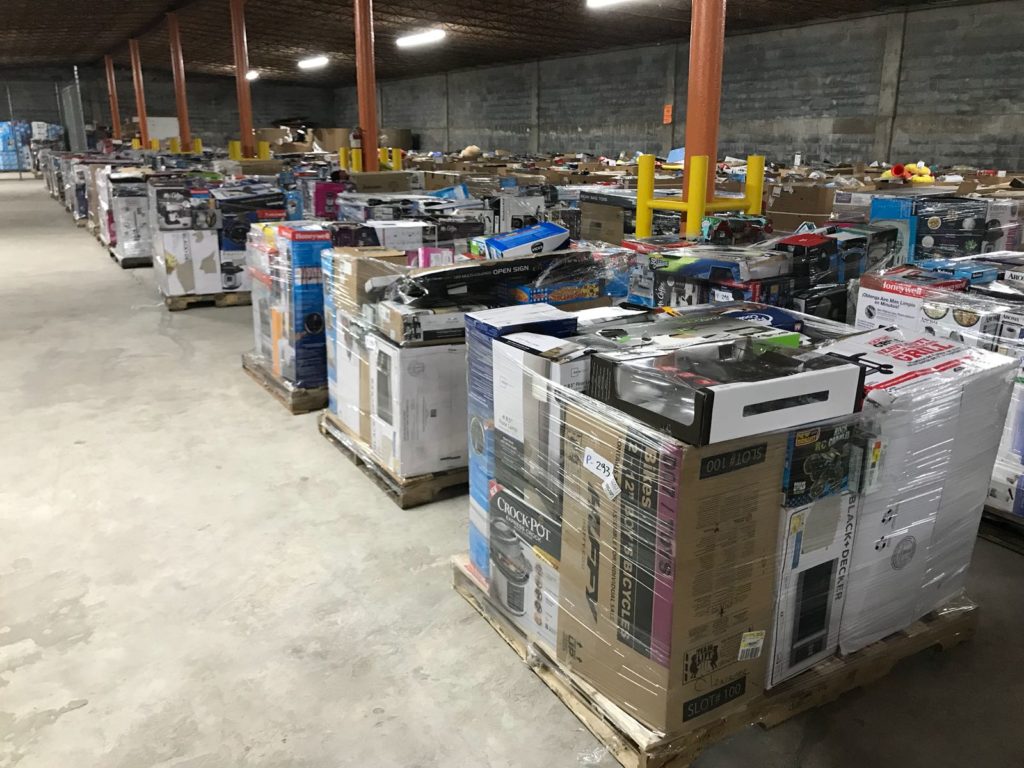
For most manufacturers and retailers, inventory is viewed as an asset—a tangible representation of potential revenue. However, when that inventory stops moving, it undergoes a transformation. It shifts from a liquid asset into a growing financial liability.
While every business owner is aware of the obvious costs like warehouse rent, the “hidden” costs of stagnant inventory are far more insidious. In fact, industry data for 2026 suggests that inventory carrying costs can consume between 25% and 35% of a product’s total value annually. If you are holding surplus goods, you aren’t just losing space; you are losing money. Here is an analysis of the hidden drains on your bottom line and why a strategic exit strategy is essential for fiscal health.
1. The Opportunity Cost of Tied-Up Capital
Perhaps the most significant “unseen” cost is the Opportunity Cost. Every dollar sitting in a dusty carton in the back of your warehouse is a dollar that cannot be used elsewhere.
When your capital is locked in stagnant stock, you lose the ability to:
-
Invest in new, high-demand product lines.
-
Fund aggressive marketing and customer acquisition campaigns.
-
Take advantage of bulk-purchase discounts from suppliers for “moving” goods.
In a high-interest-rate environment, the cost of capital is high. If you are financing your inventory through lines of credit, you are essentially paying interest to store products that aren’t returning a profit.
2. Inventory Depreciation and the “Obsolescence Trap”
In industries like electronics, apparel, and health & beauty, value is a decaying curve. A product that is worth $100 today might be worth $40 in six months due to:
-
Technological Advancement: New models render old ones obsolete.
-
Seasonal Shifts: Last year’s winter coats are nearly impossible to sell at full price in July.
-
Expiry and Shelf-Life: Even non-perishables have a “perceived” freshness. Packaging fades, and glue degrades.
At ExcessCloseoutBuyers, we often see businesses wait too long to liquidate, hoping for a “miracle buyer.” By the time they act, the recovery value has plummeted.
3. The “Service Cost” Multiplier: Insurance and Taxes
Most states and jurisdictions levy taxes on the value of the inventory you hold at the end of the fiscal year. Holding onto $500,000 in overstock doesn’t just cost you the space; it increases your tax liability.
Furthermore, insurance premiums are based on the total value of your warehouse contents. You are essentially paying to protect “dead weight.” By liquidating surplus inventory before the end of the quarter or fiscal year, you can significantly reduce these recurring service costs.
4. Operational Inefficiency and “Warehouse Friction”
A cluttered warehouse is an inefficient warehouse. When stagnant inventory takes up prime “picking” real estate, your team spends more time:
-
Moving old pallets to reach new ones.
-
Conducting manual cycle counts on items that haven’t sold in months.
-
Risking “shrinkage” (damage, theft, or loss) that increases the longer an item sits.
Streamlining your warehouse by removing non-performers allows your logistics team to focus on high-velocity SKUs, reducing labor costs and improving fulfillment times.
The Carrying Cost Formula: What is your overstock really costing you?
To find your true cost, use this simple formula:
$$(Storage + Labor + Insurance + Taxes + Depreciation + Opportunity Cost) / Average Inventory Value = Carrying Cost % $$
If your result is higher than 20%, you are in the danger zone.
Strategic Liquidation: The Solution to Stagnant Assets
The goal of inventory management is not to avoid overstock entirely—fluctuations are a natural part of the supply chain. The goal is to identify and exit those positions before they drain your profitability.
Partnering with professional bulk inventory buyers allows you to:
-
Inject Immediate Cash Flow: Convert liabilities back into working capital instantly.
-
Protect Your Brand: Ensure your goods are moved through secondary markets that don’t compete with your MAP (Minimum Advertised Price) or primary retailers.
-
Recover Valuable Space: Clear your warehouse for the products that will drive your 2026 growth.
Final Thoughts
Stop viewing stagnant inventory as “money in the bank.” It is a leak in your bucket. The faster you recover the value from these assets, the faster you can reinvest in the future of your business.
Are you ready to clear your warehouse and boost your cash flow? Contact ExcessCloseoutBuyers today for a professional valuation of your surplus inventory.